
Please join us
Thursday, October 30, 6:00 pm
for the keynote presentation by
Dr. Diane Z. Chase
How We Arrived at Where We Are: Maya Households, Neighborhoods, and History at Caracol, Belize
Once seen as a small back-water site, forty archaeological field seasons have demonstrated that Caracol was a major Maya city covering some 240 square kilometers with an even broader political reach. The center’s archaeological history goes back to approximately 600 BCE and its hieroglyphic record starts around 330 CE. The Caracol Archaeological Project has been focused on two goals over the last fifteen years: one is to investigate households and neighborhoods to understand the site settlement and social organization; and, the second has been to correlate the archaeological and historical records for the Caracol Maya. In 2025 a tomb was recovered in the Northeast Acropolis that was identified as the initial ruler of the site, Te’ Kab Chaak. Related deposits recovered in Caracol’s Northeast Acropolis shed light on what appears to be a peaceful Maya relationship with Teotihuacan in central Mexico prior to the more warlike “entrada” of 378 CE seen in the central Peten. While Early Classic remains at Caracol reflect broader Maya patterns reflecting stark social differences in status, Late Classic remains recovered from Caracol’s households underscore the city’s cultural richness as well as the access to prestige goods that distinguished Caracolenos from other contemporaneous Maya populations. This ended in the Terminal Classic Period when Caracol’s political and economic situation was compromised, resulting in the city’s eventual abandonment.
The keynote presentation will take place in the Aula Canaria Lecture Hall of the Buena Vista Building,
University of Texas at San Antonio, Downtown Campus
Reception to follow
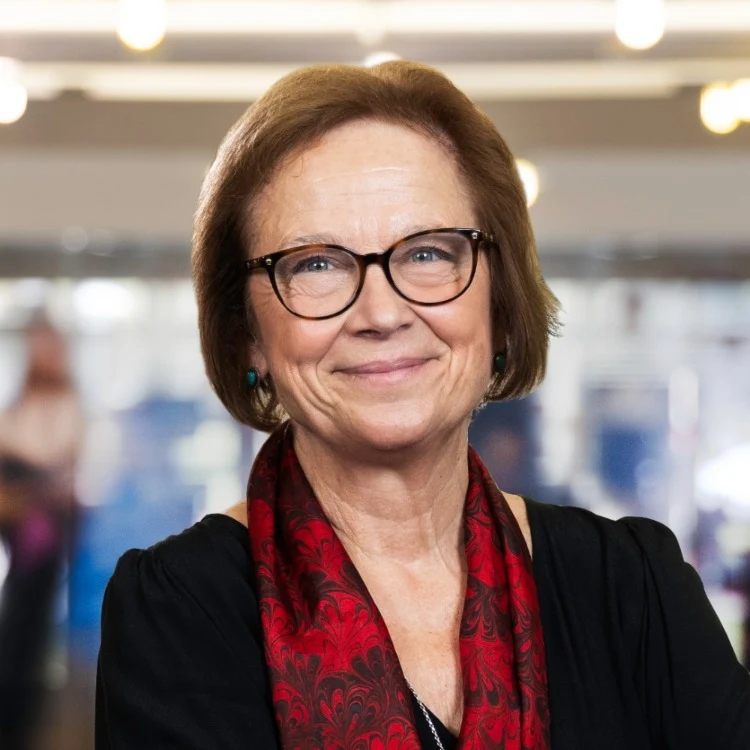
Dr. Diane Z. Chase is the senior vice chancellor for academic affairs, University of Houston System, and senior vice president for academic affairs and provost for the University of Houston. She has conducted investigations of the Maya for over 45 years. Among her many contributions, she has been instrumental in advancing the study of urbanism and sustainability of the Maya and the introduction of Lidar applications in the Mesoamerican region.
To receive updates about the conference meeting, please sign up for the mailing list here.
Please feel free to email with any questions!
 South-Central Conference on Mesoamerica
You must be logged in to post a comment.